




Cepillo para platos
Lava los platos sin ensuciar el planeta. Sin plásticos dañinos e innecesarios. Solo cerdas de coco, bambú, y acero inoxidable.


Todo el mundo necesita lavar los platos en un momento u otro. A diario lavamos ollas, paellas, cubiertos u otros utensilios de cocina. Es una acción tan habitual que es normal que nos olvidemos de su impacto medioambiental.
El problema habitual de los cepillos de cocina
Cada cepillo de fregar platos suele estar hecho de plástico y por lo tanto tardan siglos en descomponerse. Incluso las esponjas contienen fibras plásticas y tampoco son biodegradables ni reciclables.
Cuando fregamos los platos tanto los cepillos como las esponjas liberan micro plásticos que viajan por el desagüe hasta el mar, además de que pueden quedarse en los utensilios de cocina. La consecuencia la conocemos todos: contaminación del medioambiente e ingesta de micro plásticos dañinos para nuestra salud.
Limpieza residuo cero
Por suerte existen alternativas ecológicas que te ayudaran a lavar los platos sin causar residuos. Puedes pasarte a un cepillo con cerdas naturales, que no contenga nylon. Para la esponja puedes optar por un estropajo ecológico o un rascador de madera para ollas y sartenes.
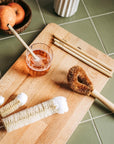
Lava los platos sin ningún plástico de por medio y sin dañar tu salud ni el medioambiente con el set para cocina de Bambaw.
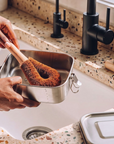
El cepillo cubre todas las necesidades de limpieza de platos y demás utensilios de cocina. El cepillo para cocina está diseñado para limpiar todos los utensilios sin miedo a dañarlos o rasgarlos. Todos los materiales son biodegradables o bien pueden ser reciclados fácilmente.
El cepillo de fibras de coco
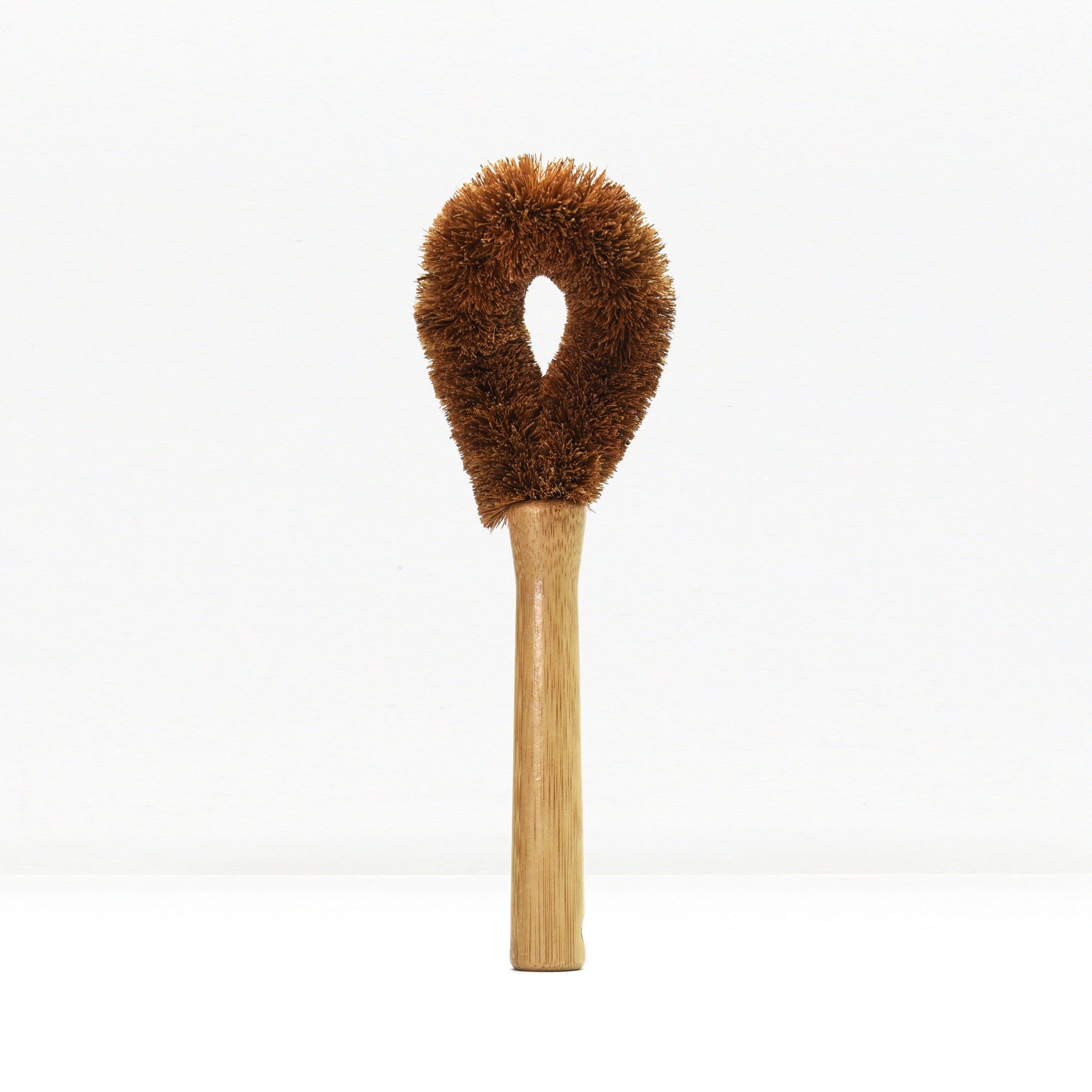
El cepillo para fregar platos se compone del mango de bambú natural, fibras de coco y acero inoxidable. El cabezal es ligeramente curvado y está diseñado para llegar a cualquier espacio. La alta densidad de cerdas permite una limpieza total. El mango de bambú tiene una forma ergonómica ideal para un agarre seguro y confortable.
Ideal para lavar platos, jarras, boles y ollas. No utilizar en sartenes.
Lo que obtienes
- 1 cepillo de fibras de coco
|
Fibra de cocoLa fibra de coco es totalmente natural y se extrae de una capa de la cáscara de coco conocida como mesocarpio. Su composición &mdashcontiene un 45 por ciento de madera&mdash confiere a las cerdas su durabilidad y resistencia. Además, las fibras, al ser muy delgadas, evitan los arañazos durante el lavado. Acero inoxidable 304El acero inoxidable es resistente a la corrosión. Asimismo, es uno de los materiales más reciclados de nuestro planeta, incluso por delante del papel y el vidrio. El 60 por ciento de la producción de nuevo acero inoxidable proviene de material reciclado. BambúEl bambú es una planta de crecimiento rápido que resulta ideal para crear el mango biodegradable del cepillo para platos. |

Are coconut bristle dish brushes effective at removing grease and stuck-on food?
Yes. The coconut bristles on this plastic-free dish brush tackle hard-to-remove residue like baked-on food, grease, and stuck-on stains. The high-density bristles and bent round-shaped head reach corners, jar bases, and pan edges that sponges often miss, making it one of the most effective eco-friendly dish brushes available.
How often should you replace a reusable dish brush?
A Bambaw reusable dish brush typically lasts 2 to 4 months, depending on how often you use it and how well you care for it. Replace the brush once the coconut bristles start to look worn or frayed, at that point, they no longer clean effectively.
What is the best way to clean and maintain a bamboo dish brush?
Rinse the coconut bristles thoroughly after every wash and shake out excess water. For a deeper clean, soak the brush for 15 minutes in a solution of warm water and vinegar or mild soap. Avoid putting it in the dishwasher or submerging it in boiling water, as heat can damage the bamboo handle.
Can I use a bamboo brush on cast iron, stainless steel, or non-stick pans? Will it scratch?
Yes! This plastic-free dish brush works well on most kitchen surfaces, including stainless steel, cast iron, ceramic, and glass. It handles stuck-on food and grease with ease. For non-stick pans, use a gentler sponge or soft brush, as the coconut bristles can scratch the non-stick coating.
How should you store a reusable dish brush to keep it lasting longer?
Store the brush with the bristles facing down or hang it on a hook, so water drains away from the bamboo handle and coconut bristles. Avoid leaving it in a wet sink or pooled water for long periods, this can cause the bamboo to absorb moisture and eventually mould.
Is this bamboo dish brush genuinely plastic-free?
Yes. The brush is made entirely from natural materials: a bamboo handle, coconut bristles, and a 304 stainless-steel core. There is no plastic in the product, making it a true zero-waste swap for conventional plastic dish brushes and sponges.
What materials is this plastic-free dish brush made from?
It's composed of three natural materials:
- Bamboo handle: biodegradable, sturdy, and naturally fast-growing
- Coconut bristles: extracted from the coconut shell's outer husk, composed of 45% wood for firmness and durability
- 304 stainless steel: corrosion-proof and made from 60% recycled material
Why should you switch from a plastic dish brush to a reusable one?
A reusable dish brush replaces single-use plastic brushes and sponges that shed microplastics into your sink, your dishes, and eventually the environment. It's a simple zero-waste swap that keeps plastic out of your kitchen and out of landfill.